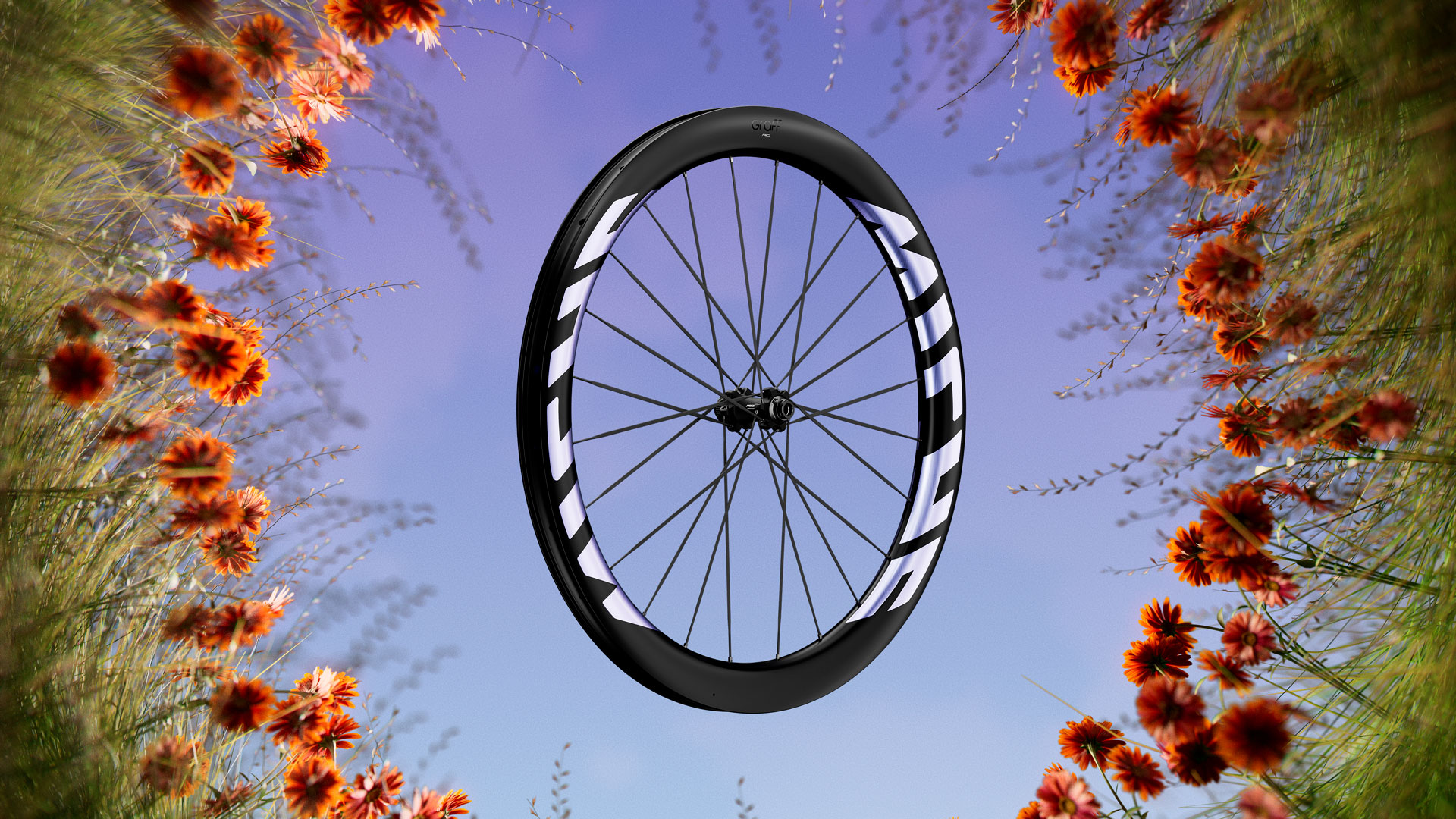
new Race Division
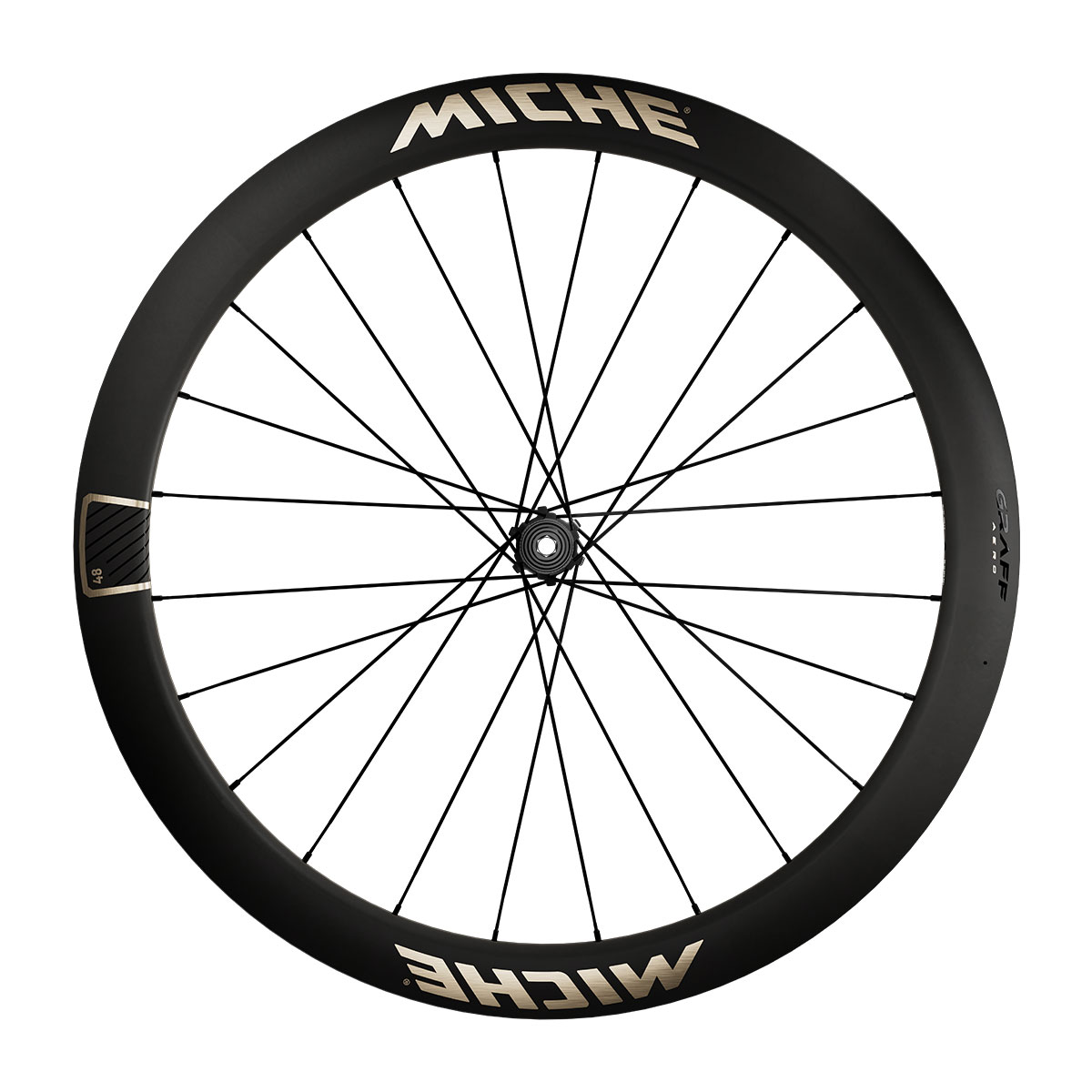
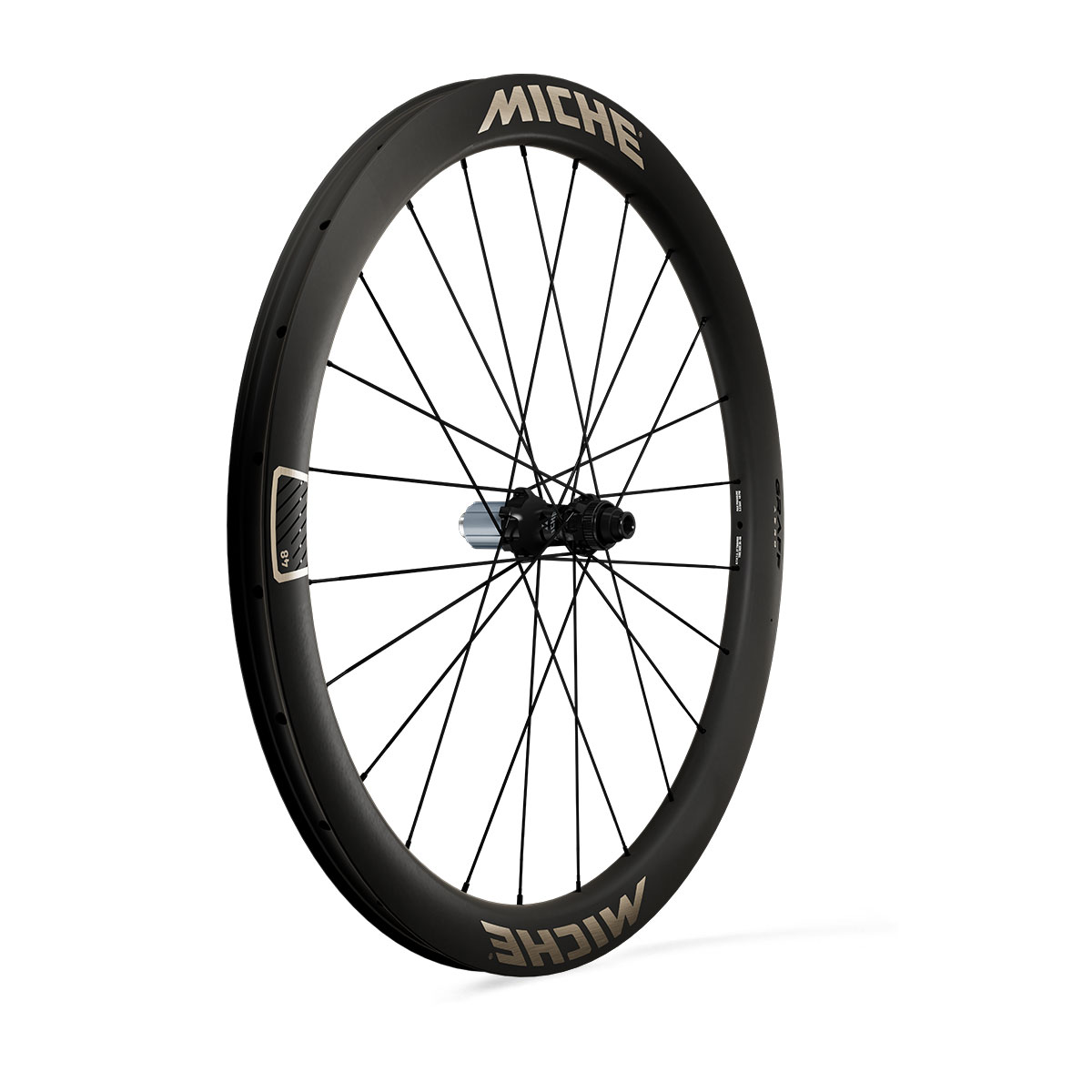
GRAFF RD
There are places where everything comes together.
For Graff RD, those places are gravel competitions. It is there that research is validated, that every design choice proves its worth, and speed ceases to be an aspiration.
It becomes their nature.
For Graff RD, those places are gravel competitions. It is there that research is validated, that every design choice proves its worth, and speed ceases to be an aspiration.
It becomes their nature.
Technologies
- Hookless
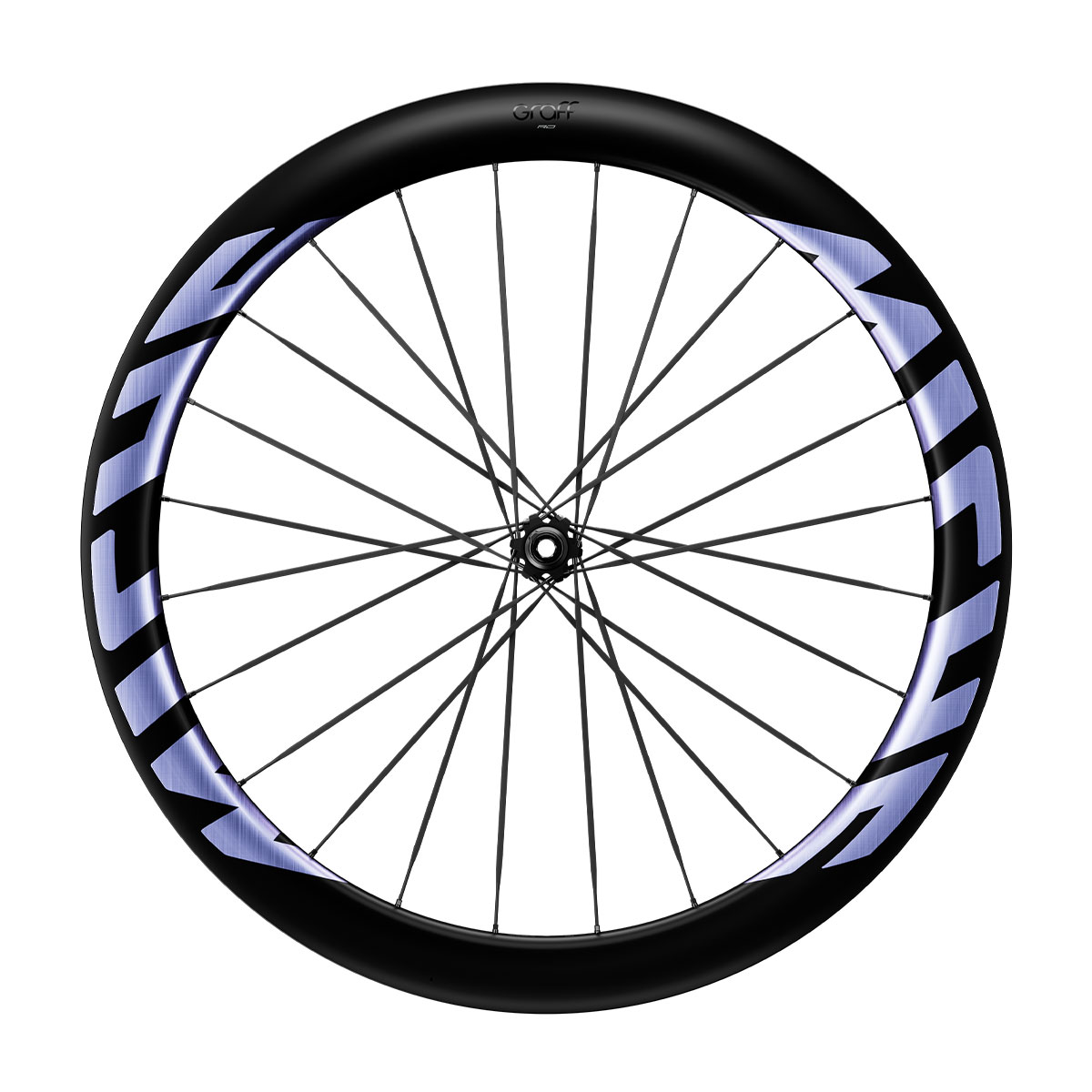
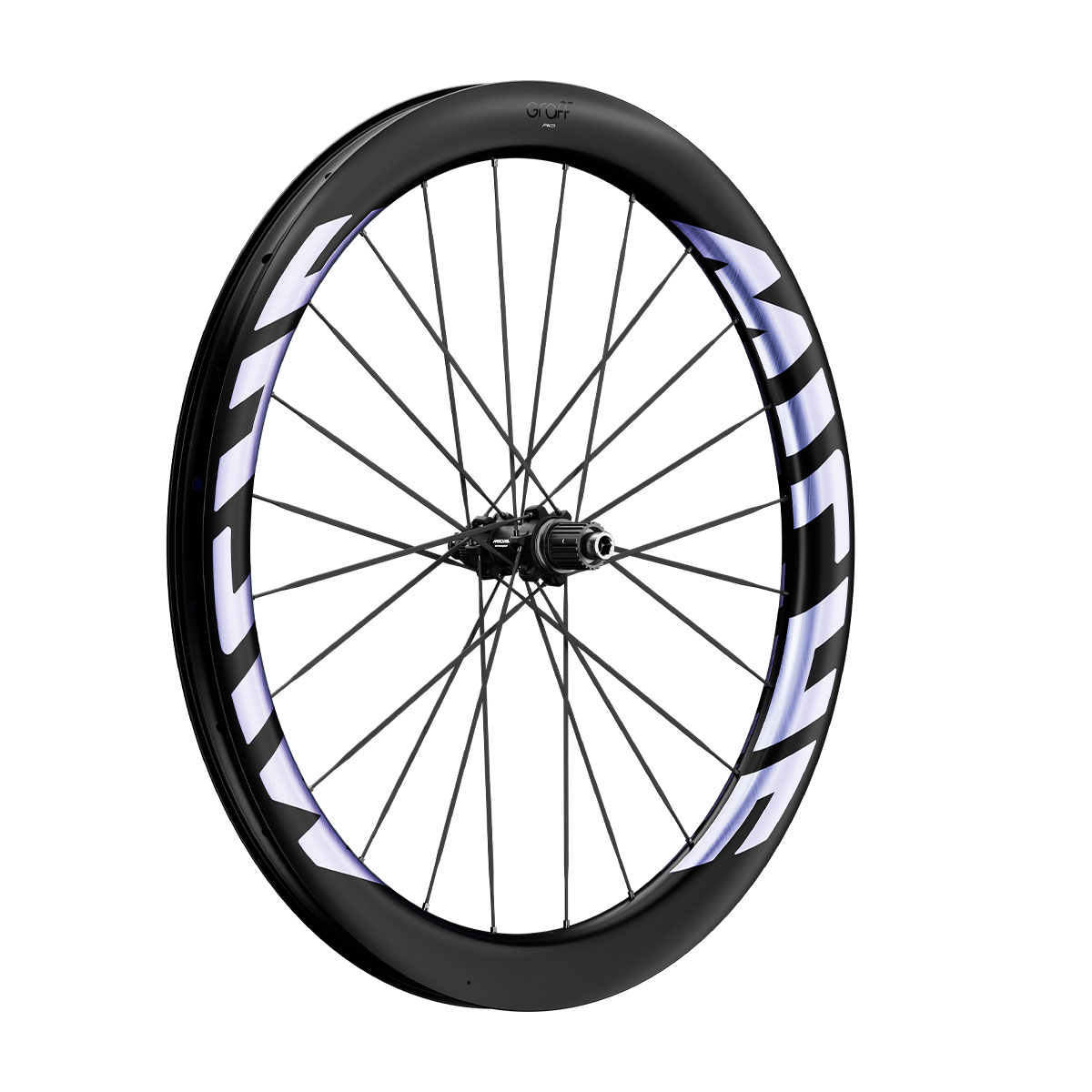
- Color: Wild Lilac
- Wild Lilac
- Tire Type: Tubeless
- Tubeless
- SKU: WHGRD0B
- Price (VAT incl.) €2,500.00

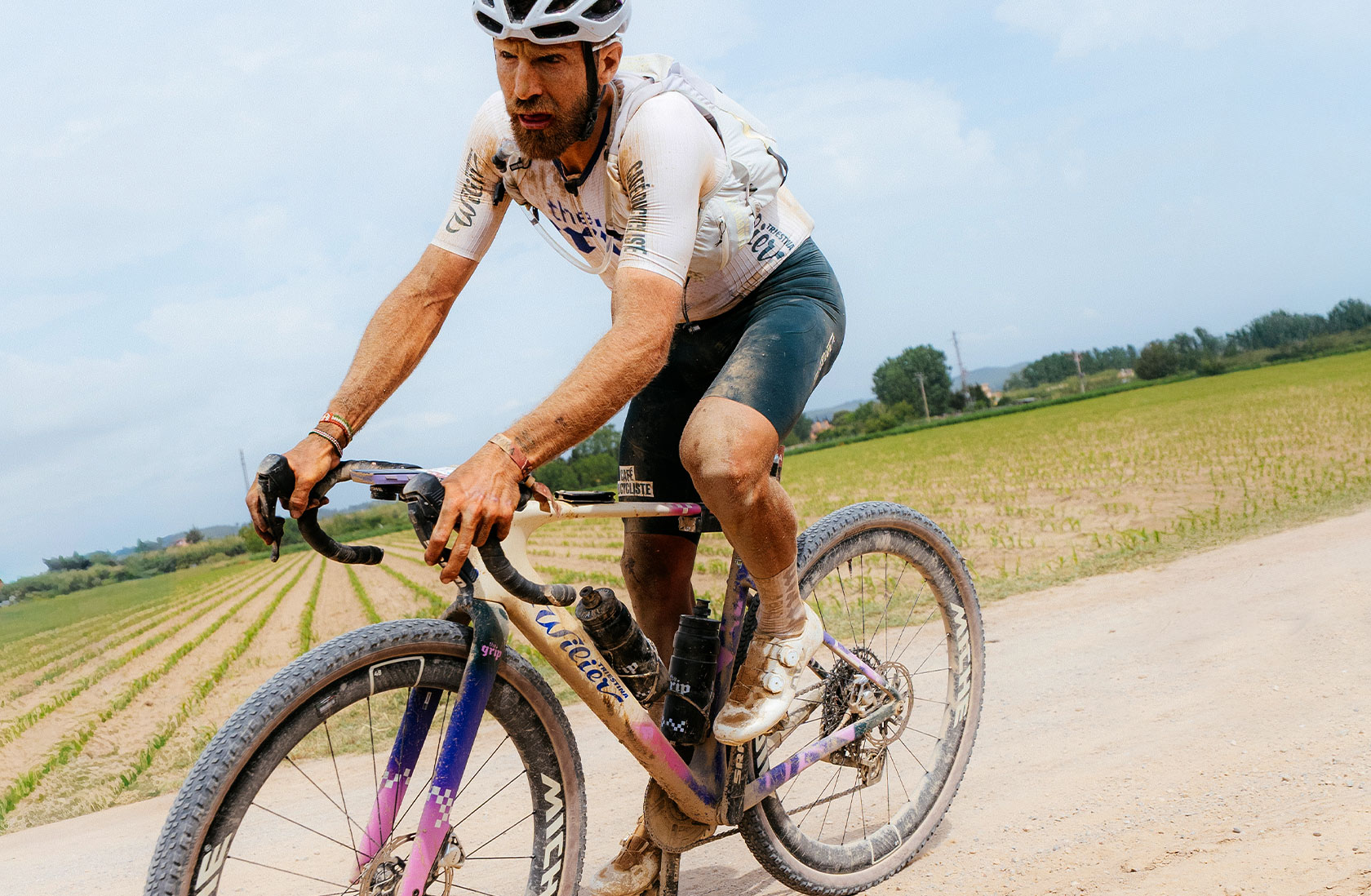
Gravel has evolved
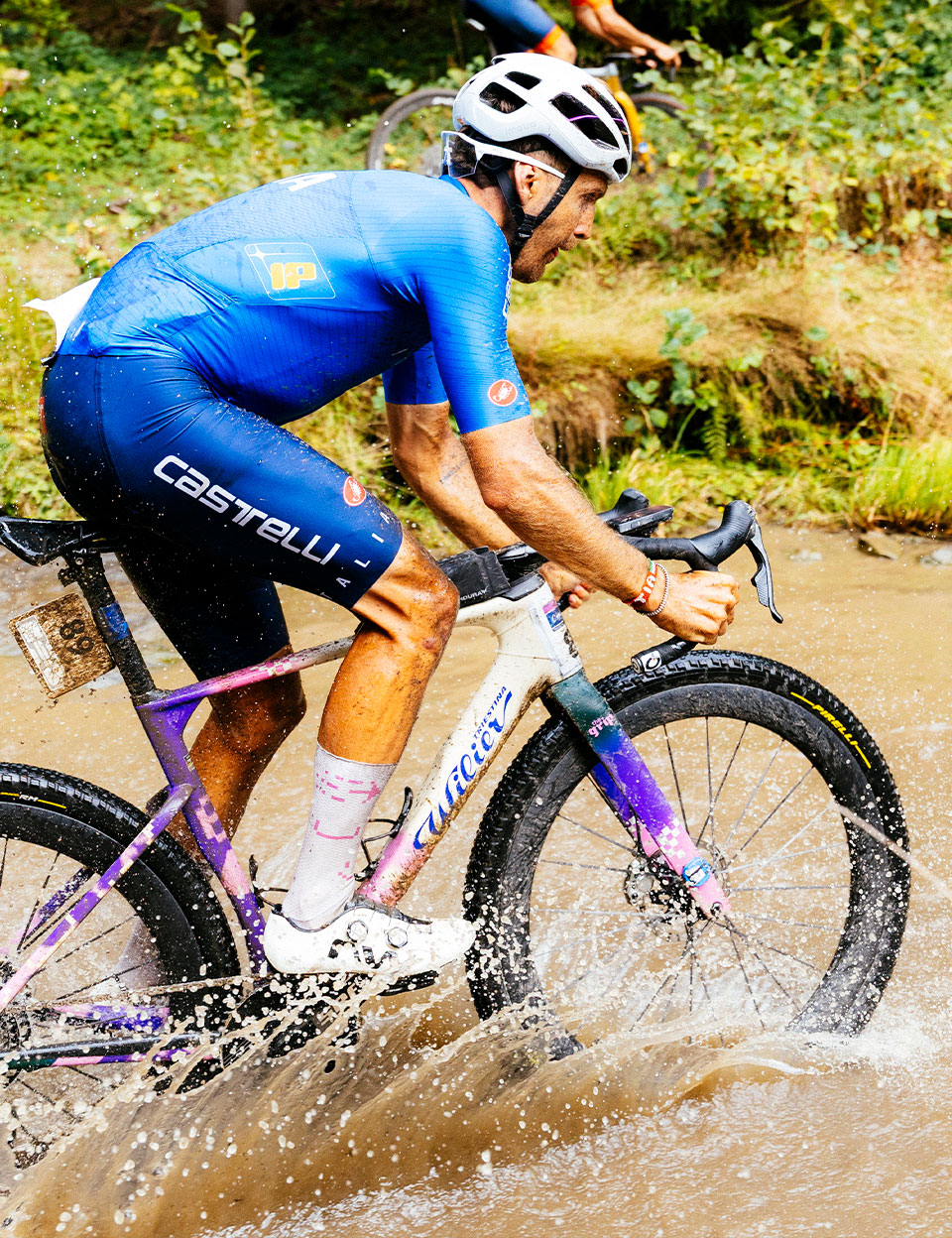
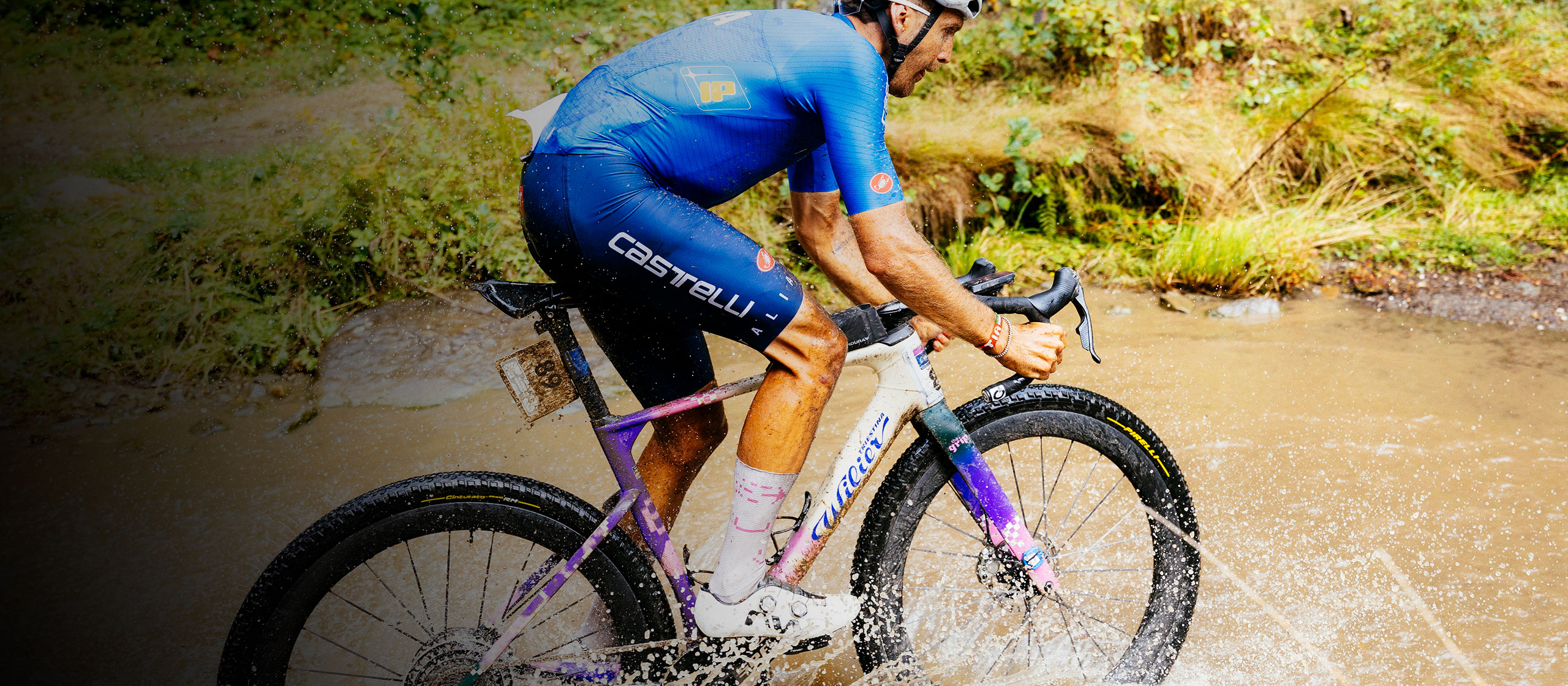
It is along the roads of The Traka, the extreme routes of Unbound Gravel, the trails of The Hills and the rounds of the UCI Gravel World Series that Graff RD took shape, developed together with The Grip and Mattia De Marchi.
A project shaped by a discipline that has redefined its own benchmarks, in recent years. Speeds have increased. Routes have become more demanding. Materials have evolved to keep pace.
Designing a gravel wheel therefore meant starting from a different premise.
A project shaped by a discipline that has redefined its own benchmarks, in recent years. Speeds have increased. Routes have become more demanding. Materials have evolved to keep pace.
Designing a gravel wheel therefore meant starting from a different premise.
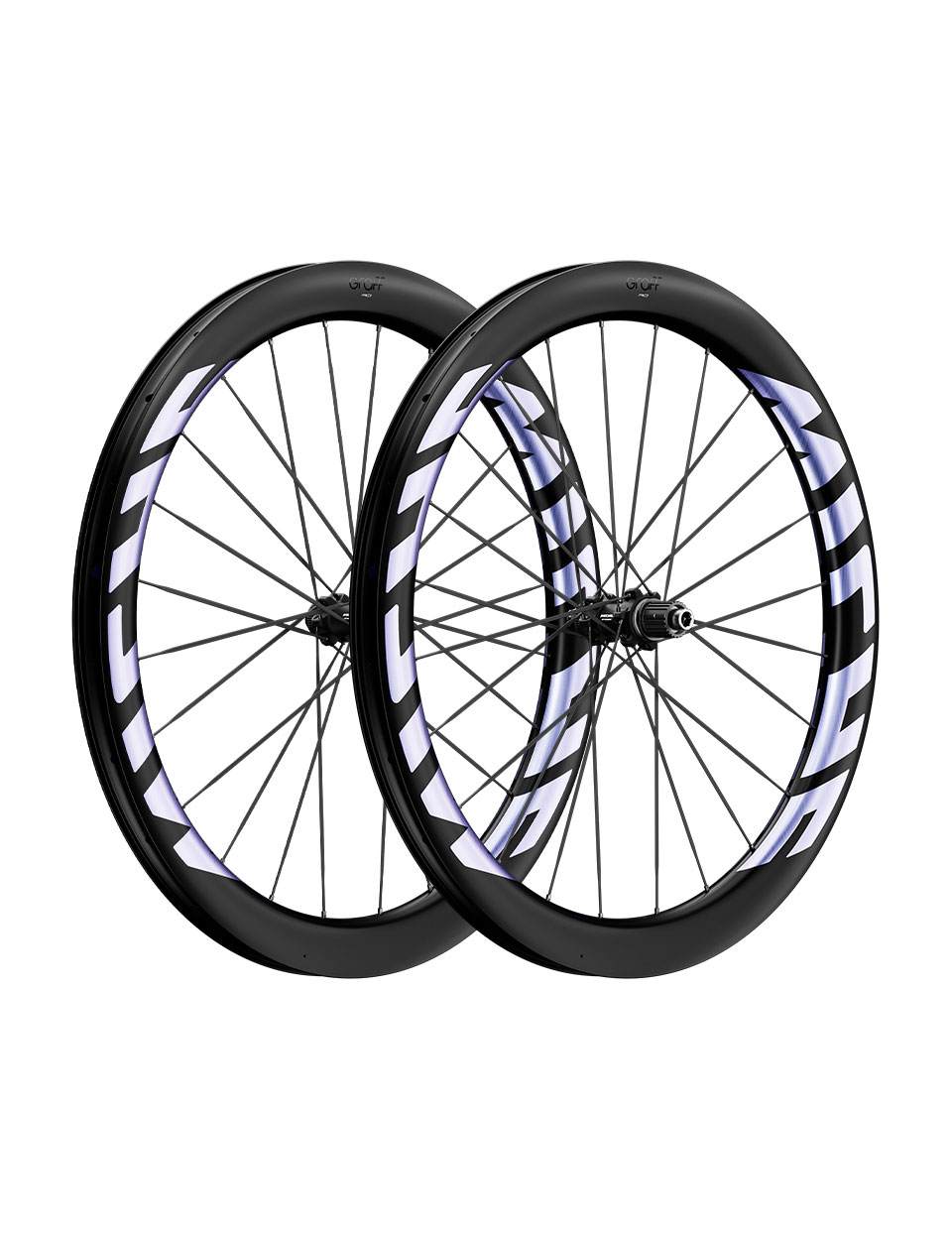
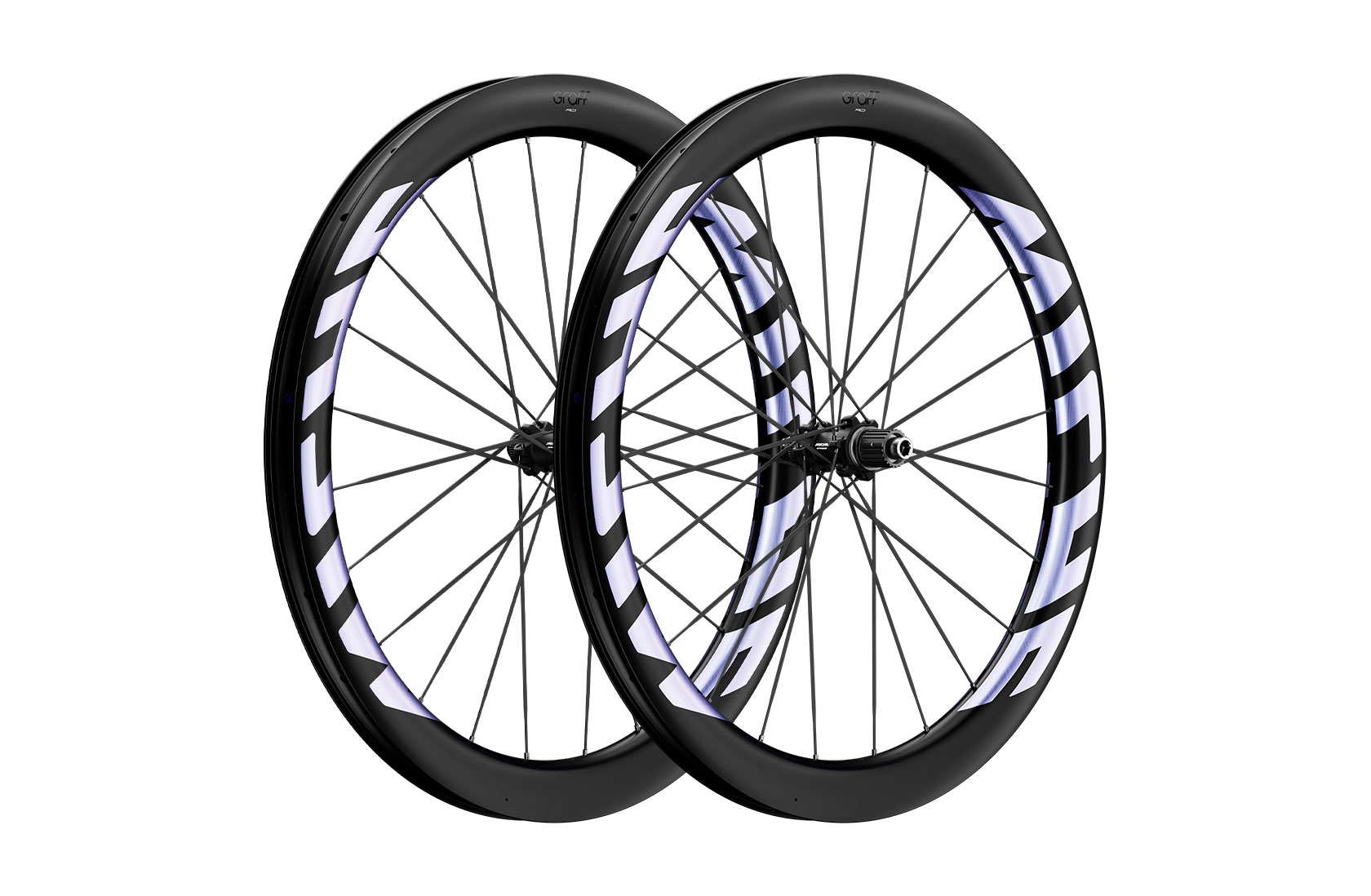
Today's races demand a synthesis that until recently seemed beyond reach: aerodynamic efficiency, impact absorption, low weight and precise handling.
Graff RD was designed from scratch to achieve this balance.
Because the best way to design a gravel wheel is to let it race gravel.
Graff RD was designed from scratch to achieve this balance.
Because the best way to design a gravel wheel is to let it race gravel.
The heart of the project: aerodynamic data
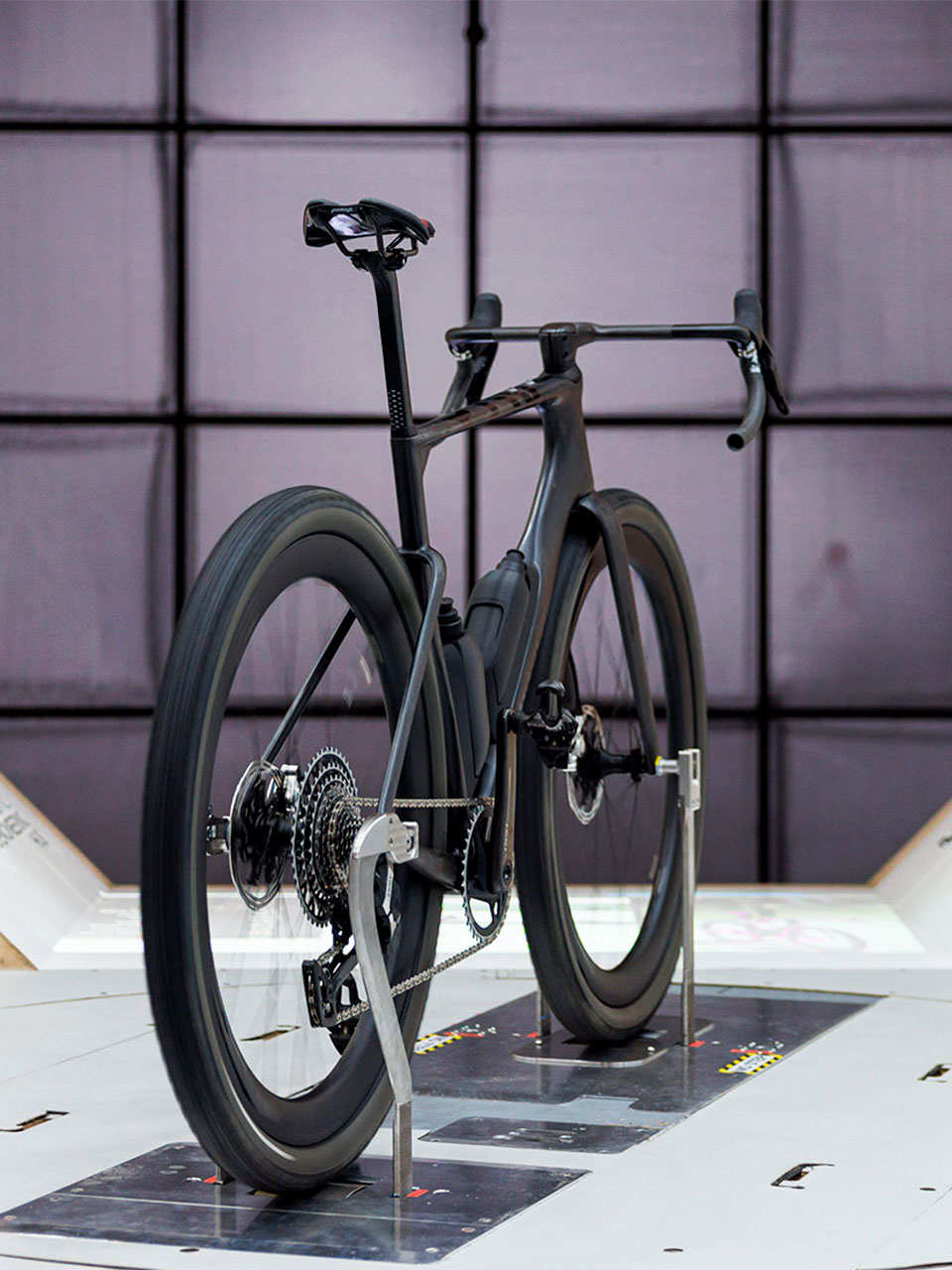
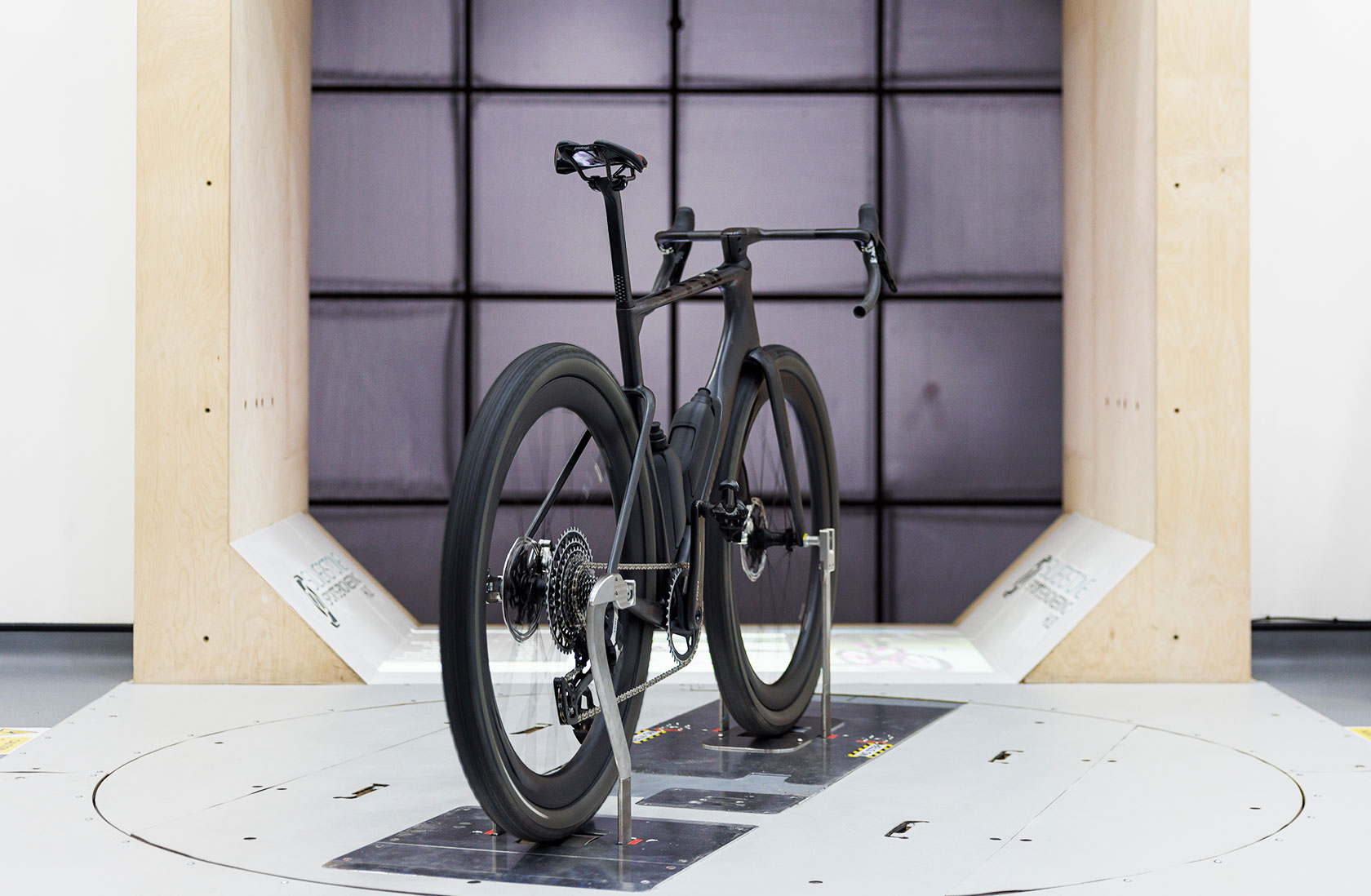
Aerodynamics was the starting point in the development of Graff RD. Graff Aero 48 represented the basis of the project, but the evolution of gravel and ever-increasing speeds required a complete rethink of the rim.
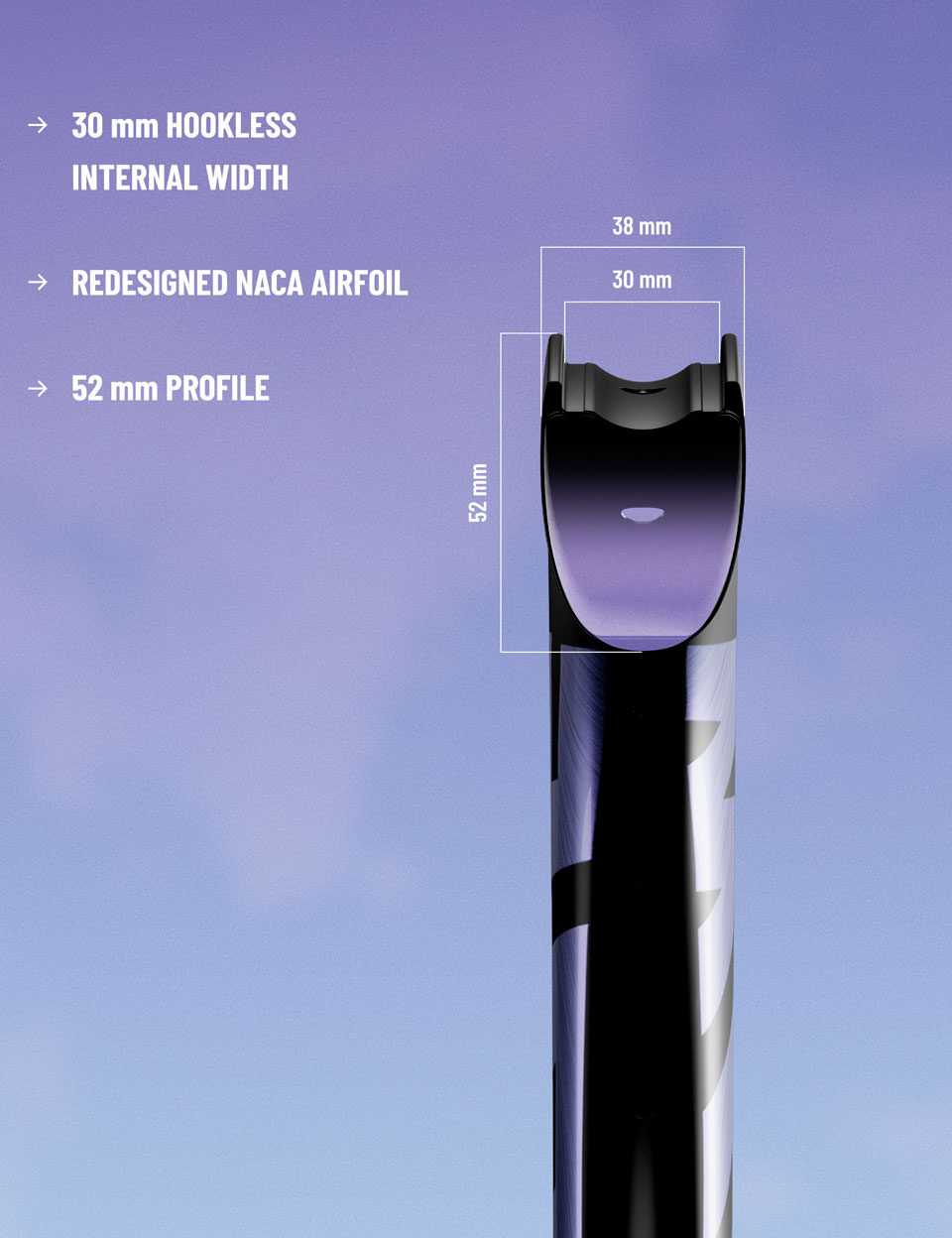
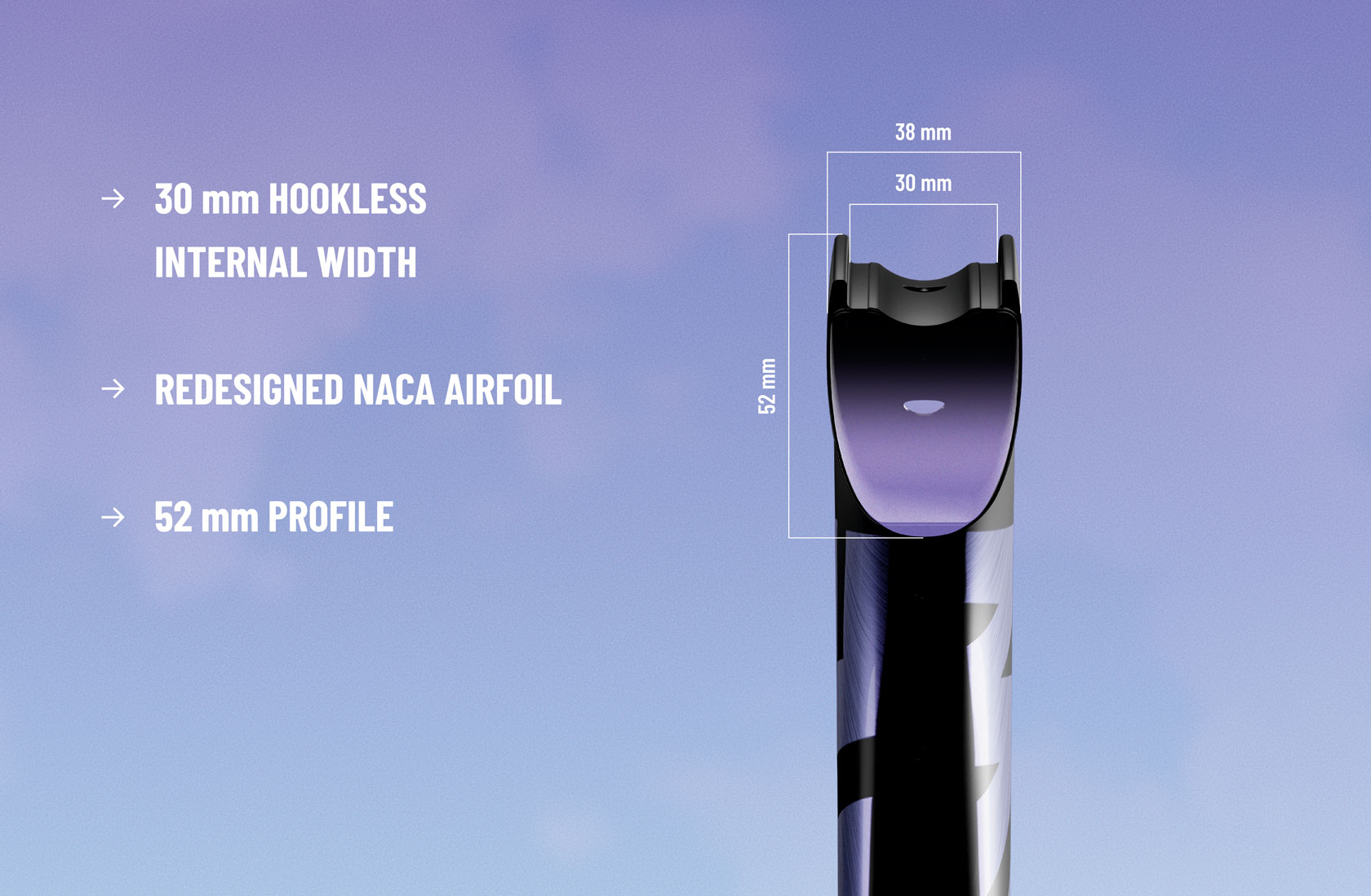
The wider rim well made it possible to increase the external width, creating a more continuous transition between rim and tyre. The new profile, developed using a NACA airfoil, makes the airflow more stable, reduces turbulence and improves the efficiency of the wheel-tyre system.
To validate the project, Graff RD was tested in a wind tunnel with 47 and 50 mm tyres, at speeds of 30 and 40 km/h and with yaw angles between -20° and +20°, measured at every degree.
With 47 mm tyres, the configuration that expresses the maximum aerodynamic potential of Graff RD, aerodynamic drag is reduced by 6.92% at 30 km/h and by 5.94% at 40 km/h compared to Graff Aero 48.
Even with 50 mm tyres, Graff RD confirms the advantage of the new design, recording a reduction in aerodynamic drag of 2.73% at 30 km/h and 3.92% at 40 km/h compared to Graff Aero 48.
The findings were consistent across every configuration tested. Regardless of speed, tyre section or yaw angle, Graff RD consistently delivered lower aerodynamic drag than Graff Aero 48.
The wider rim well made it possible to increase the external width, creating a more continuous transition between rim and tyre. The new profile, developed using a NACA airfoil, makes the airflow more stable, reduces turbulence and improves the efficiency of the wheel-tyre system.
To validate the project, Graff RD was tested in a wind tunnel with 47 and 50 mm tyres, at speeds of 30 and 40 km/h and with yaw angles between -20° and +20°, measured at every degree.
With 47 mm tyres, the configuration that expresses the maximum aerodynamic potential of Graff RD, aerodynamic drag is reduced by 6.92% at 30 km/h and by 5.94% at 40 km/h compared to Graff Aero 48.
Even with 50 mm tyres, Graff RD confirms the advantage of the new design, recording a reduction in aerodynamic drag of 2.73% at 30 km/h and 3.92% at 40 km/h compared to Graff Aero 48.
The findings were consistent across every configuration tested. Regardless of speed, tyre section or yaw angle, Graff RD consistently delivered lower aerodynamic drag than Graff Aero 48.
Redisigned Rim
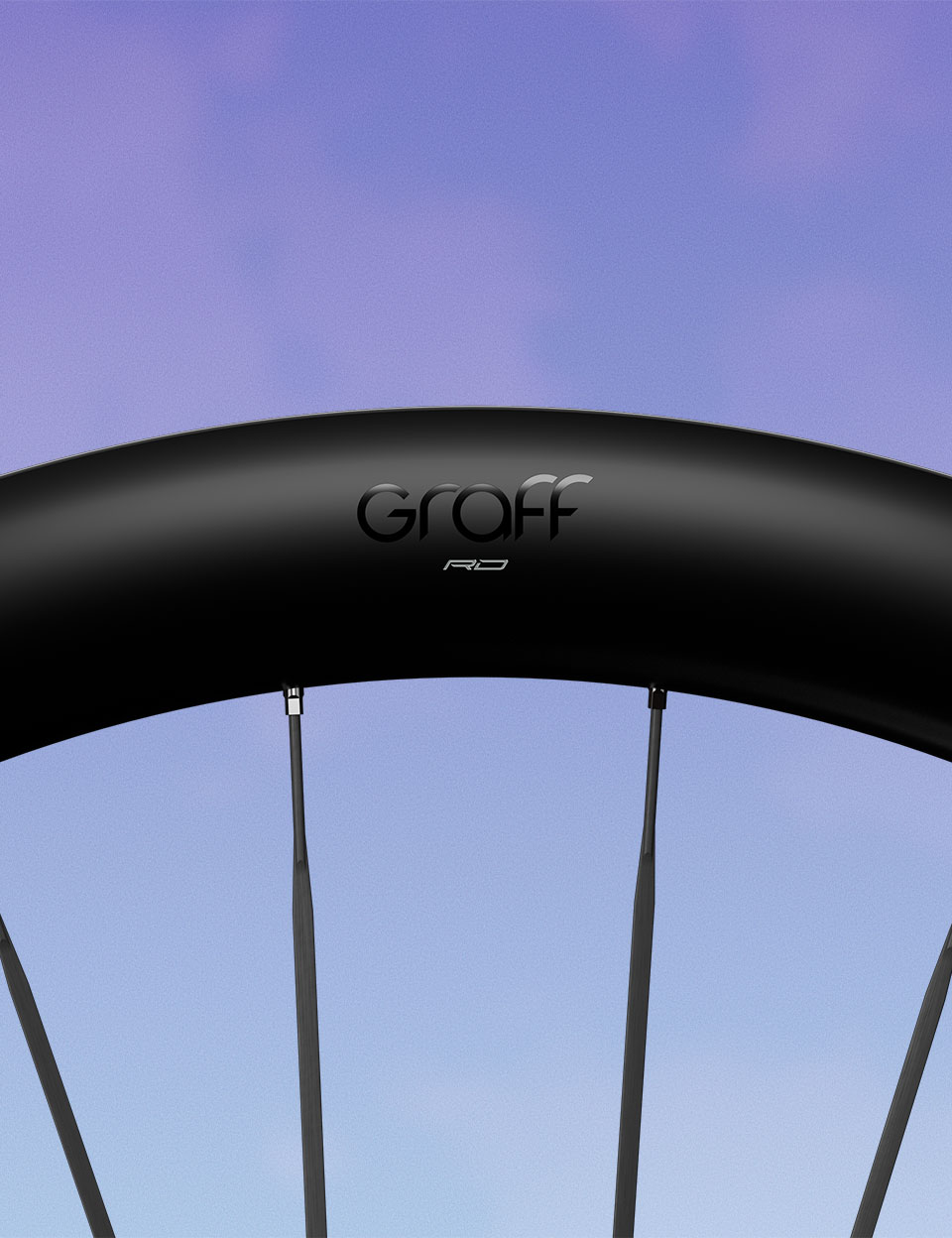
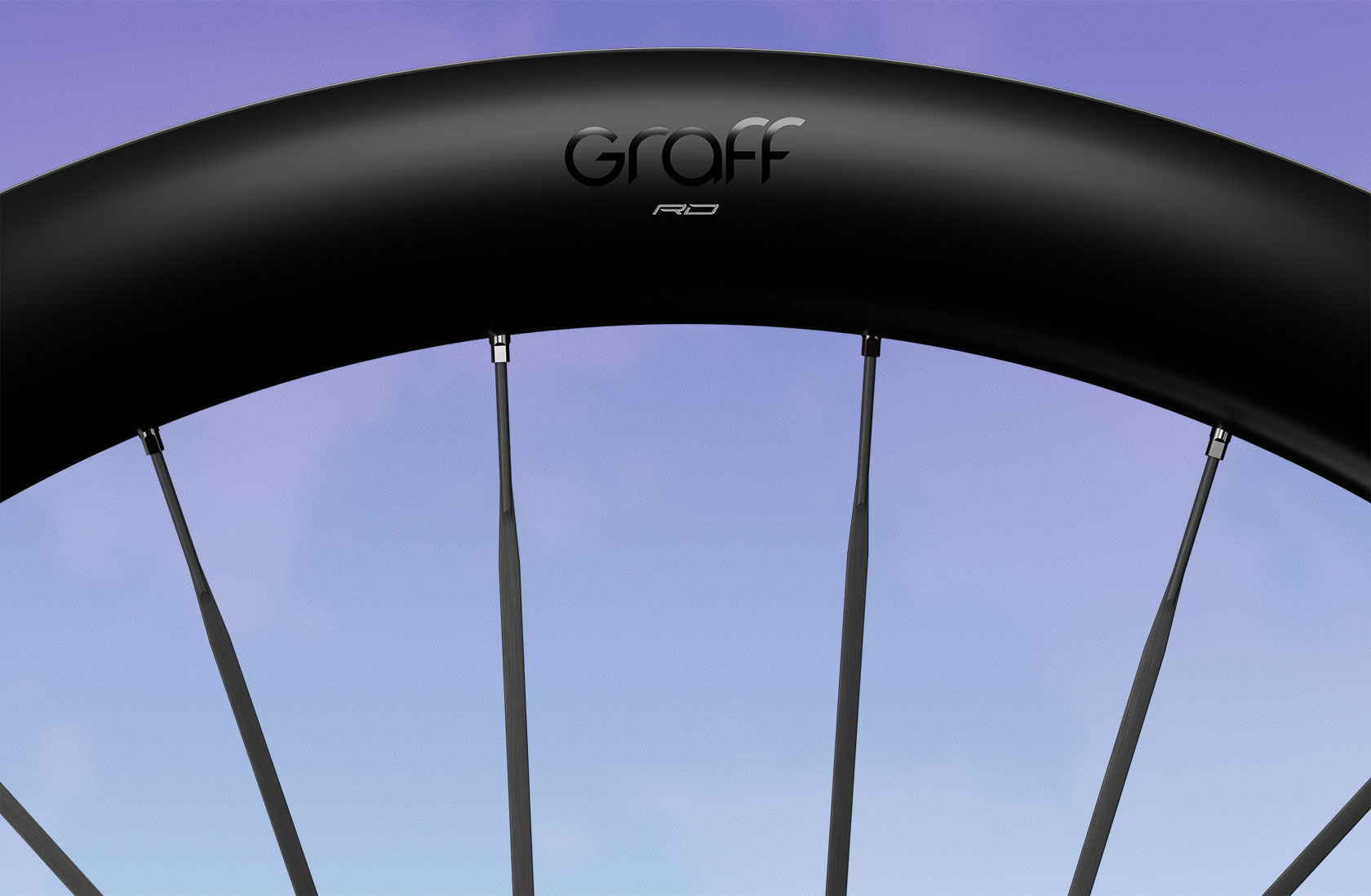
Designing a gravel rim means resolving a different balance compared to the road. Increasing the internal width, essential for higher-volume tyres, inevitably modifies both the aerodynamic and structural behaviour of the wheel.
The airfoil design builds on Miche's experience in developing high-performance wheels and is driven by an engineering approach focused on optimising aerodynamic , weight and structural efficiency. The goal was to create a platform with a significantly wider rim well, while optimising the overall wheel weight.
The airfoil design builds on Miche's experience in developing high-performance wheels and is driven by an engineering approach focused on optimising aerodynamic , weight and structural efficiency. The goal was to create a platform with a significantly wider rim well, while optimising the overall wheel weight.
Rim Well and Rim Design
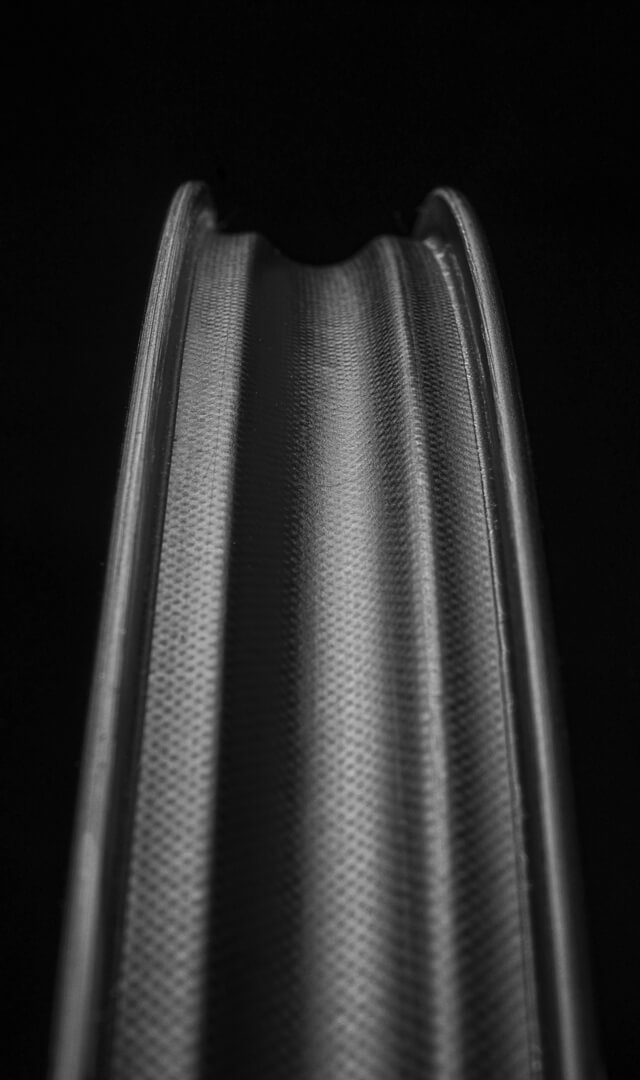
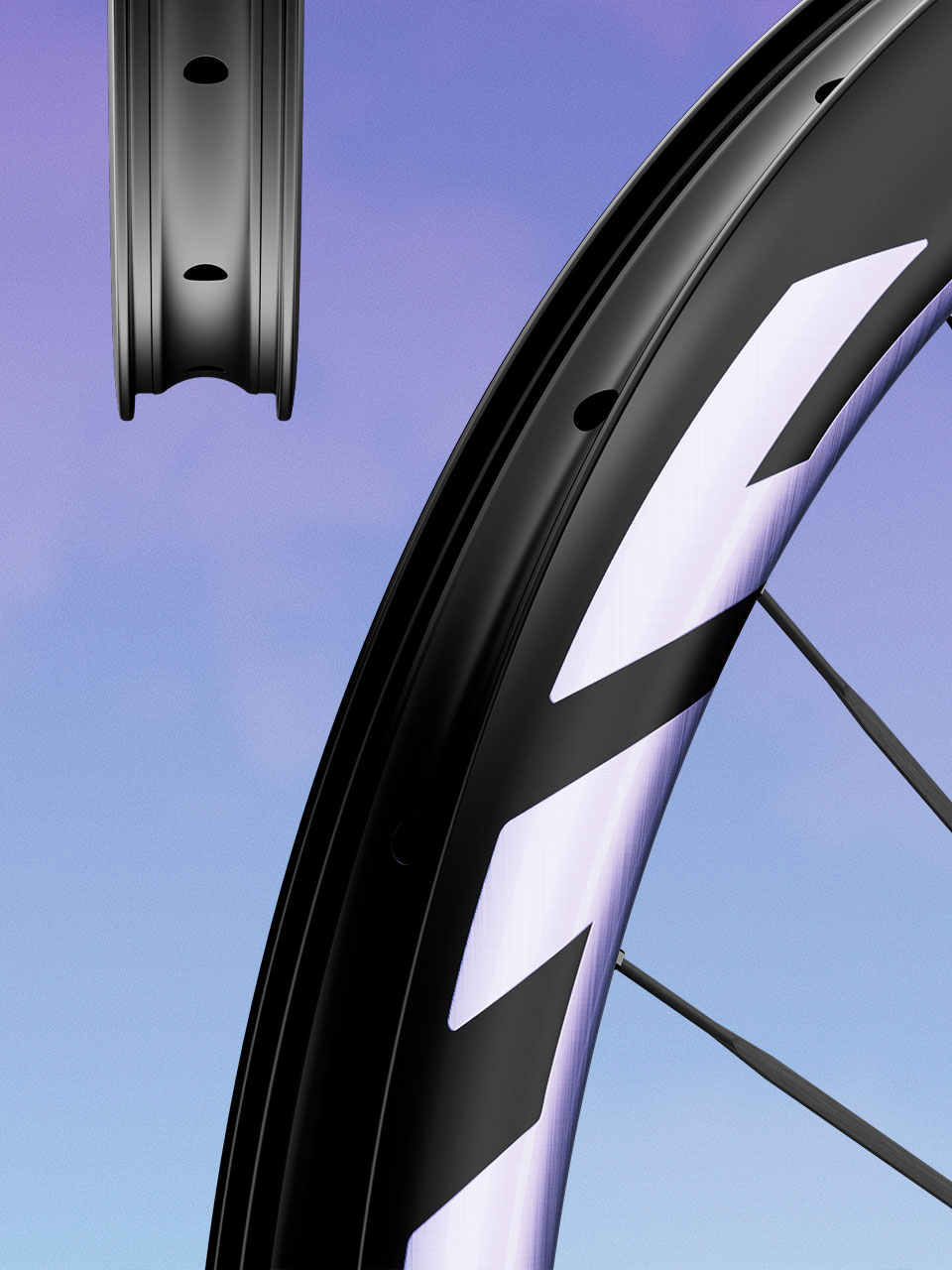
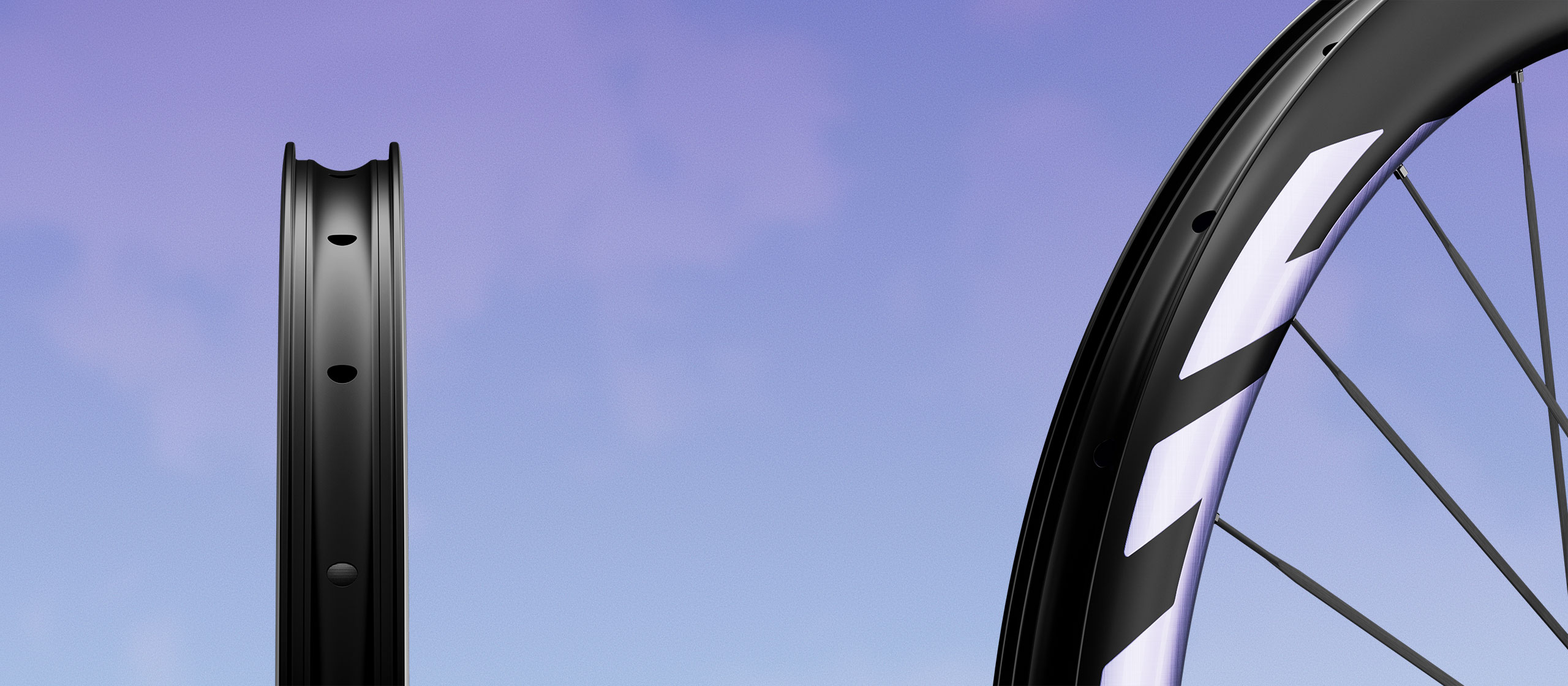
As gravel has evolved, tyre sections have progressively increased, calling for a complete rethink of the rim well. Graff RD features a 30 mm hookless rim well, designed to offer optimal support to the tyre carcass and to allow the use of lower pressures.
The increased internal width improves the shape of the contact patch and tyre support, delivering a more stable and predictable ride on rough terrains. The result is better vibration absorption greater comfort and reduced rider fatigue, even over long distances.
The hookless configuration also helps to keep rim weight low, whilst maintaining the structural characteristics required by intensive gravel riding.
The increased internal width improves the shape of the contact patch and tyre support, delivering a more stable and predictable ride on rough terrains. The result is better vibration absorption greater comfort and reduced rider fatigue, even over long distances.
The hookless configuration also helps to keep rim weight low, whilst maintaining the structural characteristics required by intensive gravel riding.
Reduced Weight / Vonoa Carbon Spokes
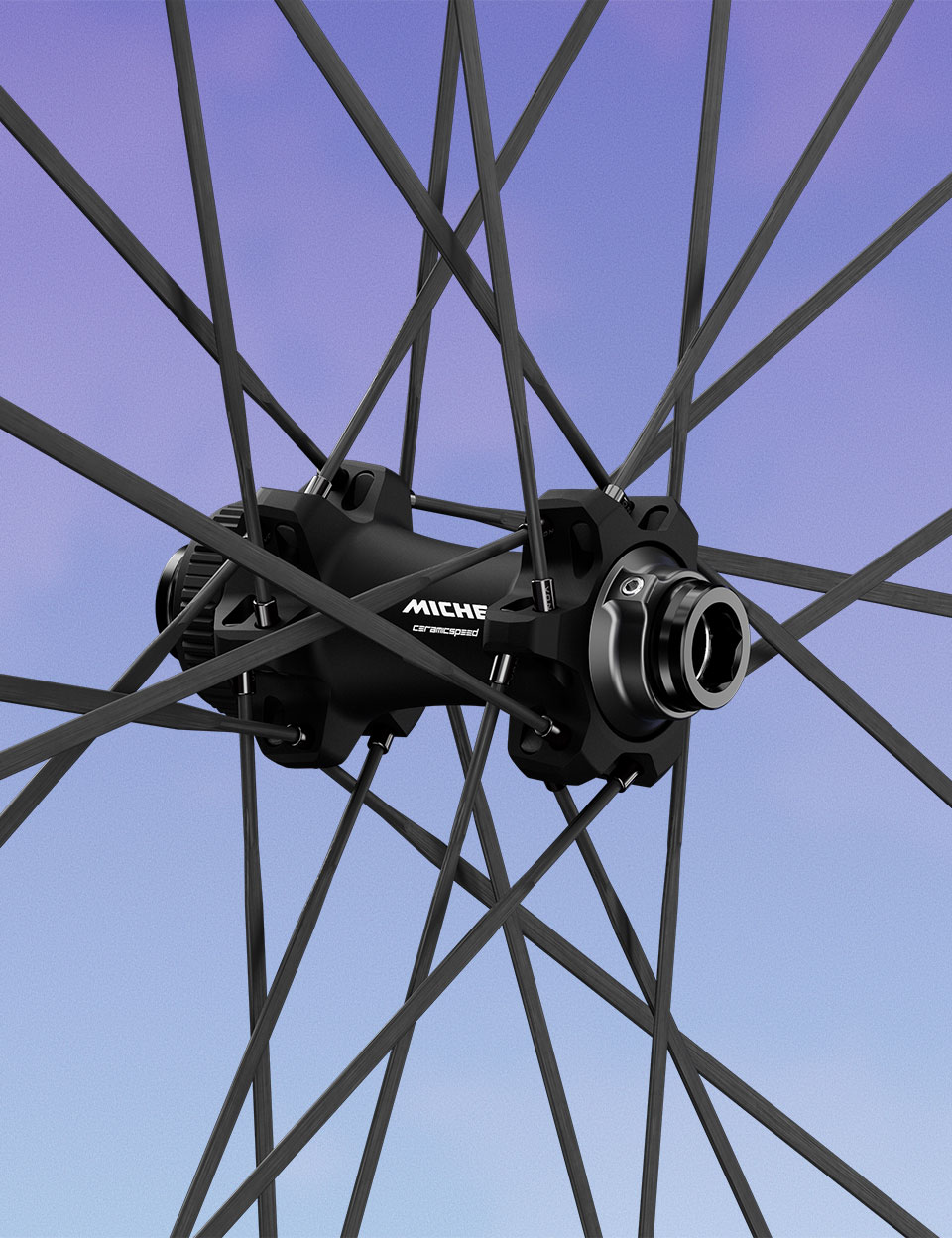
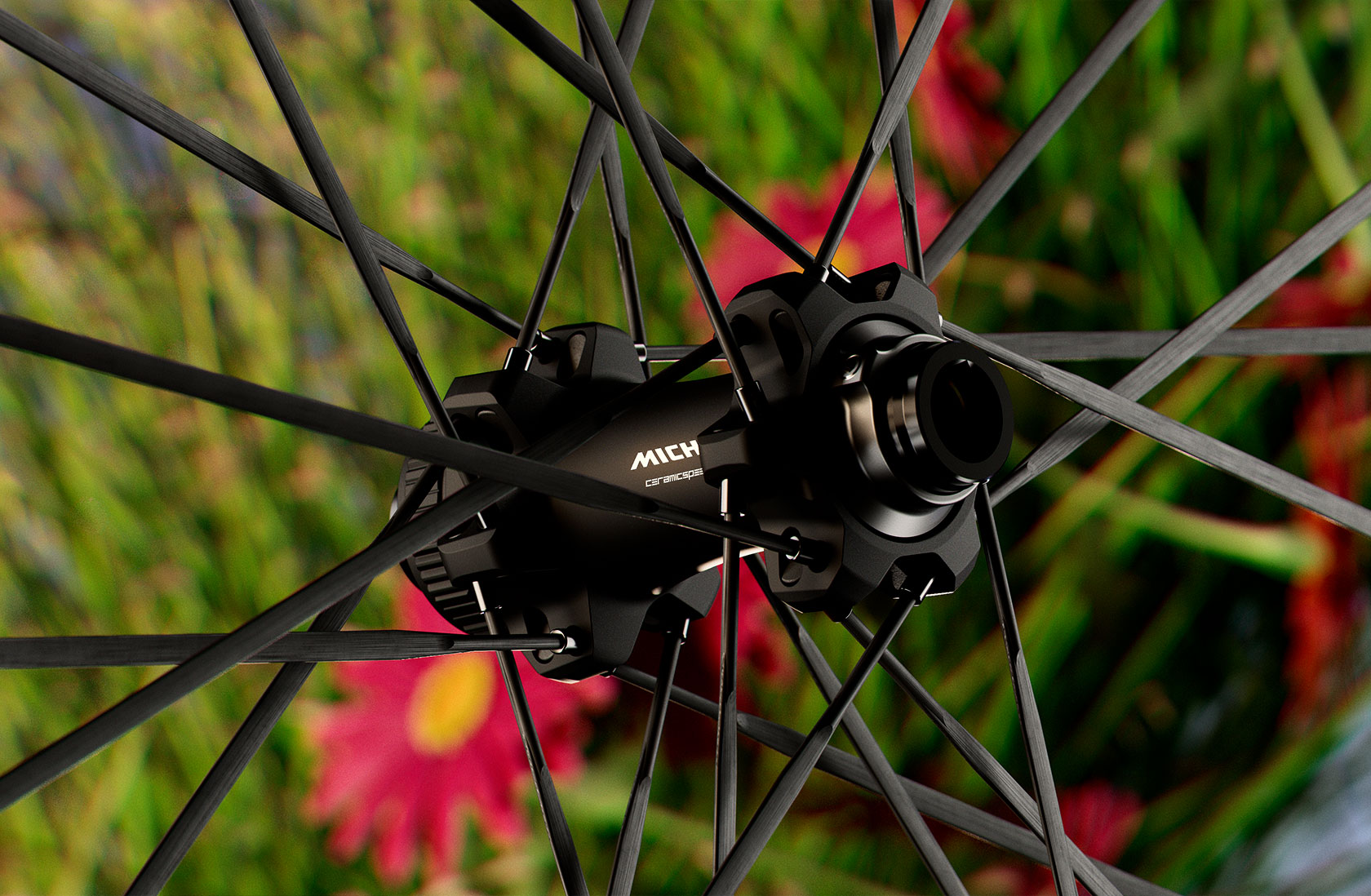
Building on the experience gained with the development of Deva RD, Graff RD also adopts carbon spokes with a 4x1 mm cross-section: a deliberate design choice, based on that experience. This marks Miche's first application of this technology to a wheel designed for intensive gravel use, where impacts, lateral loads and vibrations are significantly greater than in road use.
The 12+12 configuration was chosen to offer a structure combining lateral stiffness, responsiveness and handling precision. A fundamental balance in competitive gravel, where the wheel must transfer power instantly while maintaining stability over the roughest terrains.
Compared to Deva RD, the carbon spoke design was refined primarily to improve impact response. In gravel riding the wheel is subjected to higher and more frequent stresses than in road use, requiring specific engineering solutions to preserve performance and reliability over time.
On Graff RD too, the stiffness-to-weight ratio has remained a key design parameter. The complete set weighs approximately 75 grammes less than the Graff Aero 48, improving its stiffness-to-weight ratio.
The 12+12 configuration was chosen to offer a structure combining lateral stiffness, responsiveness and handling precision. A fundamental balance in competitive gravel, where the wheel must transfer power instantly while maintaining stability over the roughest terrains.
Compared to Deva RD, the carbon spoke design was refined primarily to improve impact response. In gravel riding the wheel is subjected to higher and more frequent stresses than in road use, requiring specific engineering solutions to preserve performance and reliability over time.
On Graff RD too, the stiffness-to-weight ratio has remained a key design parameter. The complete set weighs approximately 75 grammes less than the Graff Aero 48, improving its stiffness-to-weight ratio.
CeramicSpeed
Even the smallest detail of Graff RD is designed to make you ride faster, for longer.
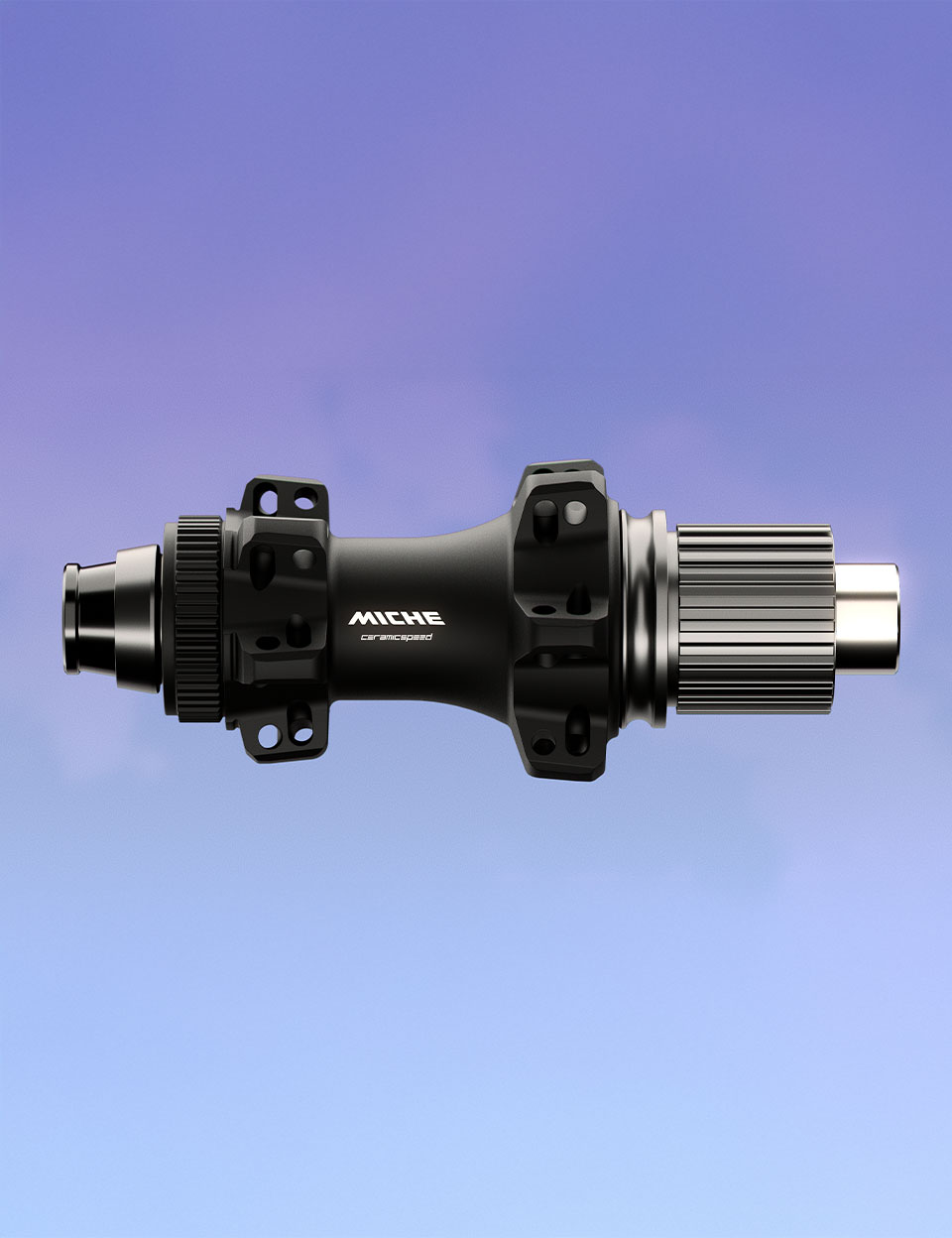
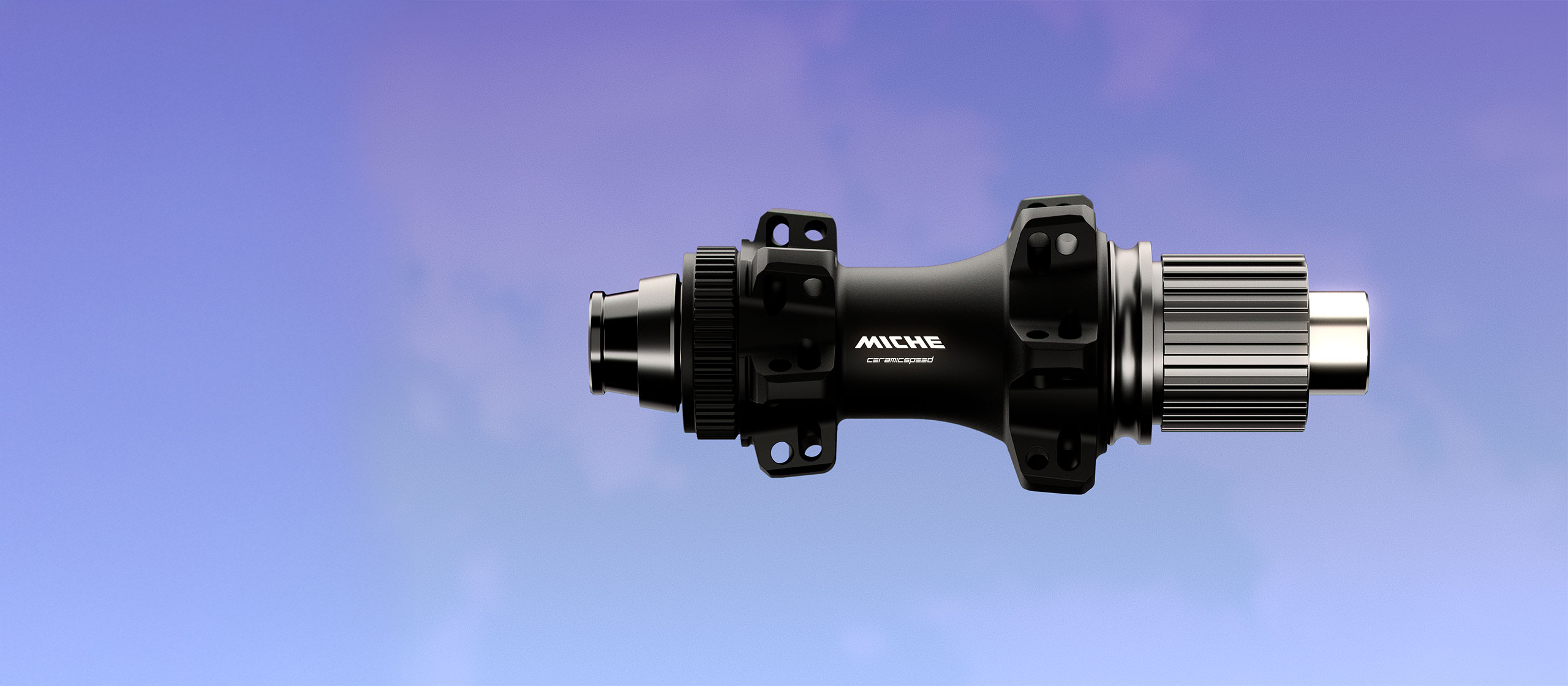
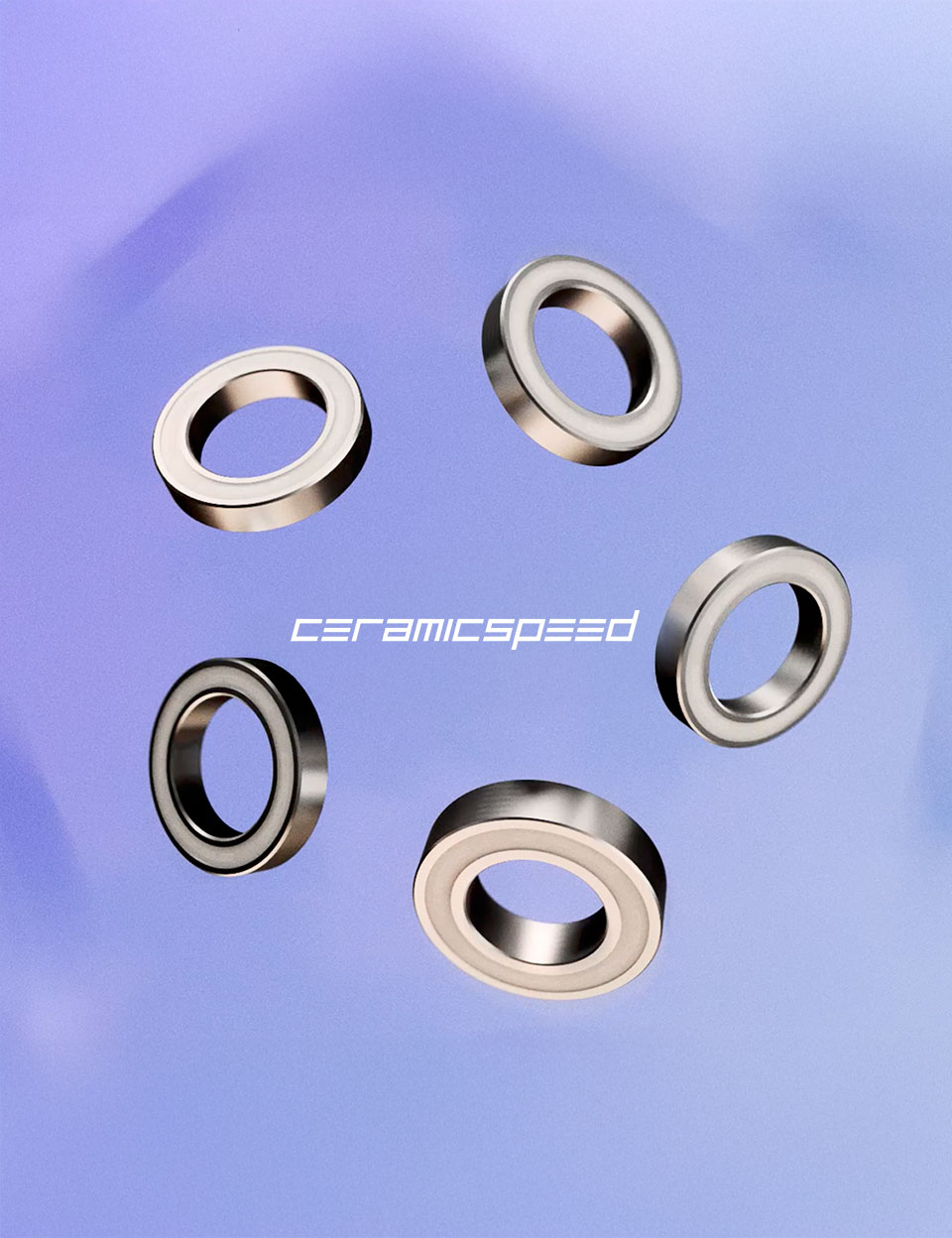
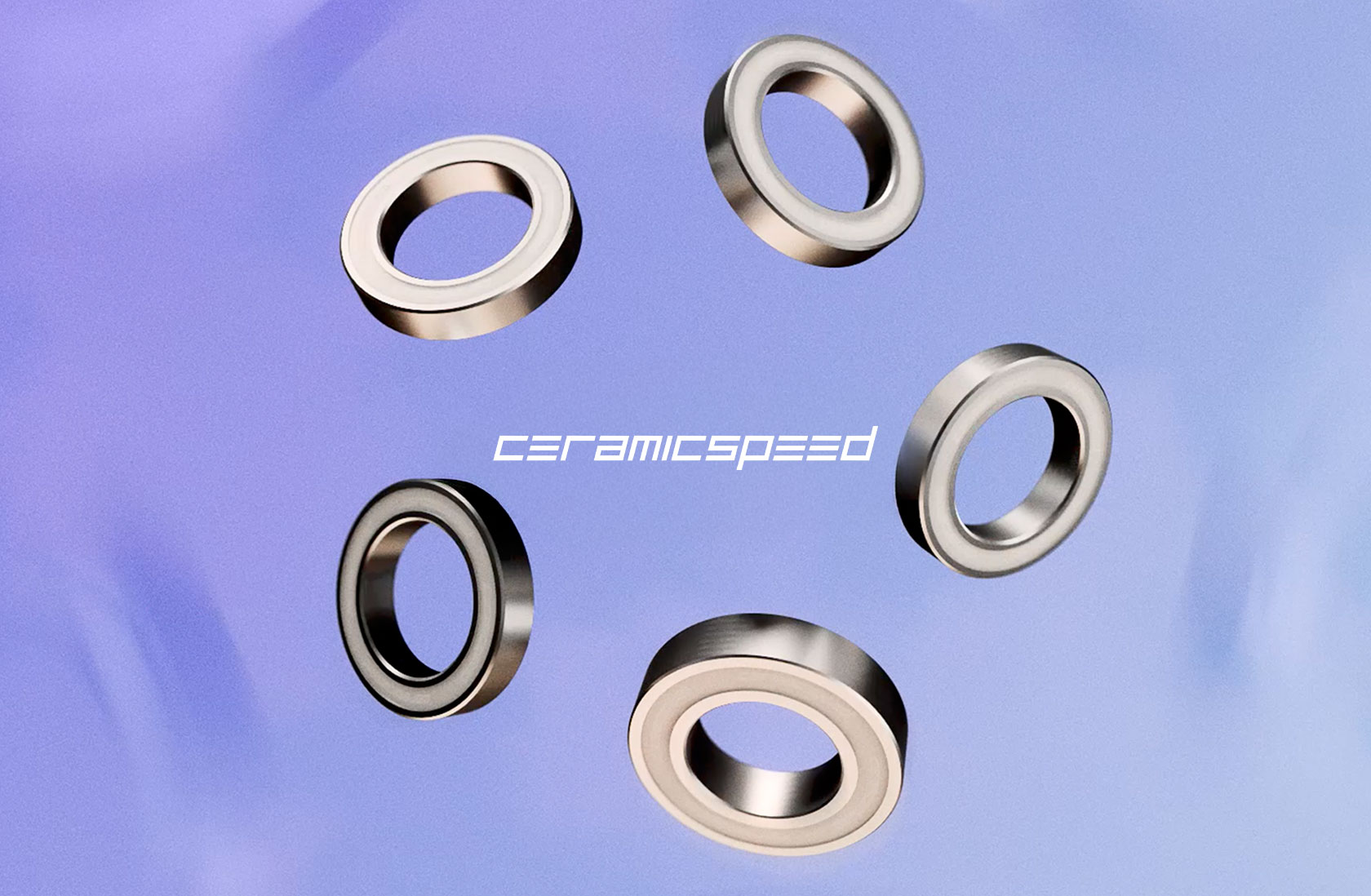
The hubs are fitted with the new ALPHA CeramicSpeed bearings, assembled by hand in Denmark. The Class 1 silicon nitride balls are up to 400% smoother, 128% harder and 58% lighter than steel, whilst the pairing with hardened stainless steel raceways is achieved with micrometric precision. The new low-contact seals keep dirt and moisture out without adding friction, so efficiency remains constant over time.
The result is a service life up to five times longer than conventional bearings and a smoothness that remains unchanged from the first ride to the last race of the season.
Because performance depends on more than what you can see. The hidden details also make a difference, working silently with every revolution of the wheel.
The hubs are fitted with the new ALPHA CeramicSpeed bearings, assembled by hand in Denmark. The Class 1 silicon nitride balls are up to 400% smoother, 128% harder and 58% lighter than steel, whilst the pairing with hardened stainless steel raceways is achieved with micrometric precision. The new low-contact seals keep dirt and moisture out without adding friction, so efficiency remains constant over time.
The result is a service life up to five times longer than conventional bearings and a smoothness that remains unchanged from the first ride to the last race of the season.
Because performance depends on more than what you can see. The hidden details also make a difference, working silently with every revolution of the wheel.
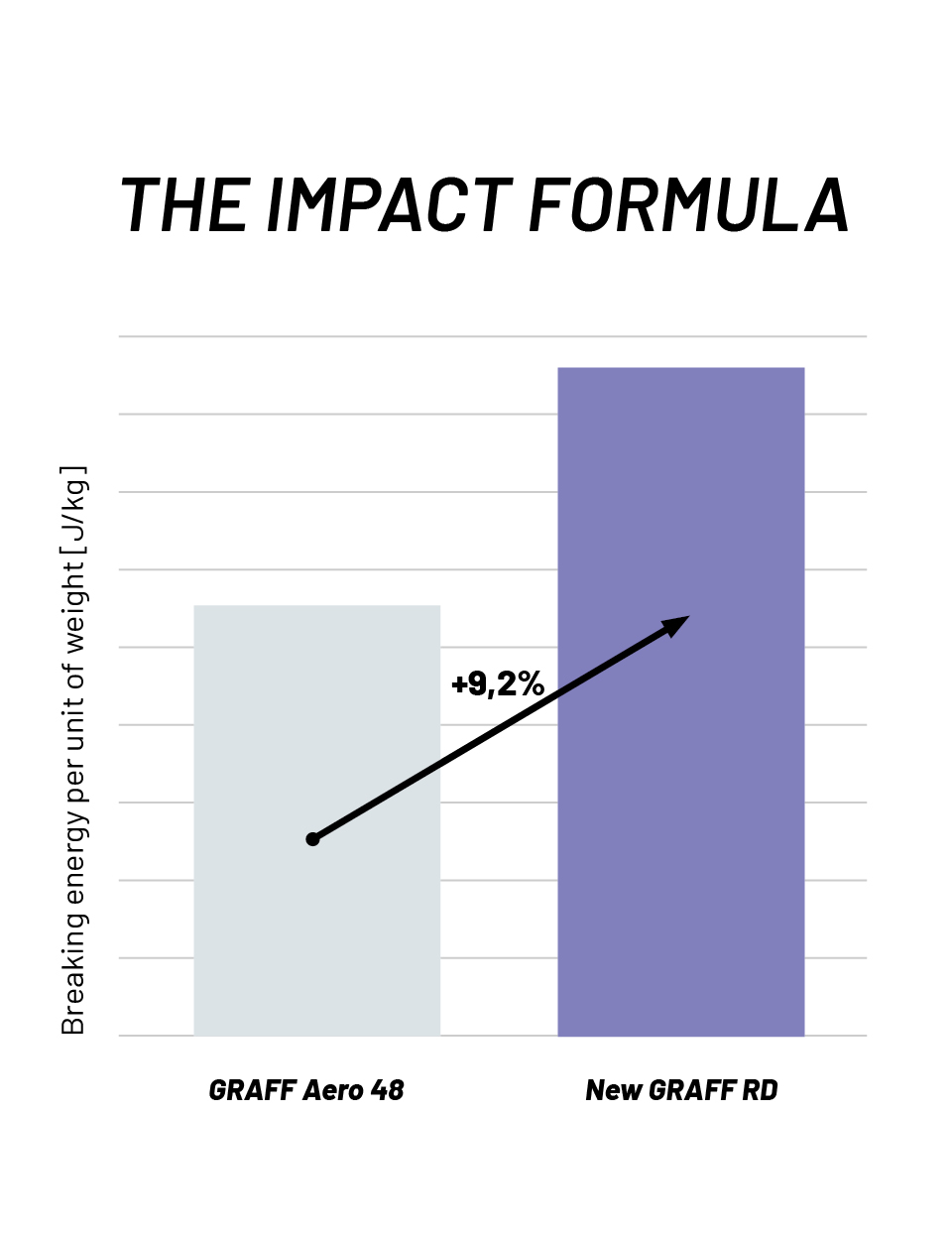
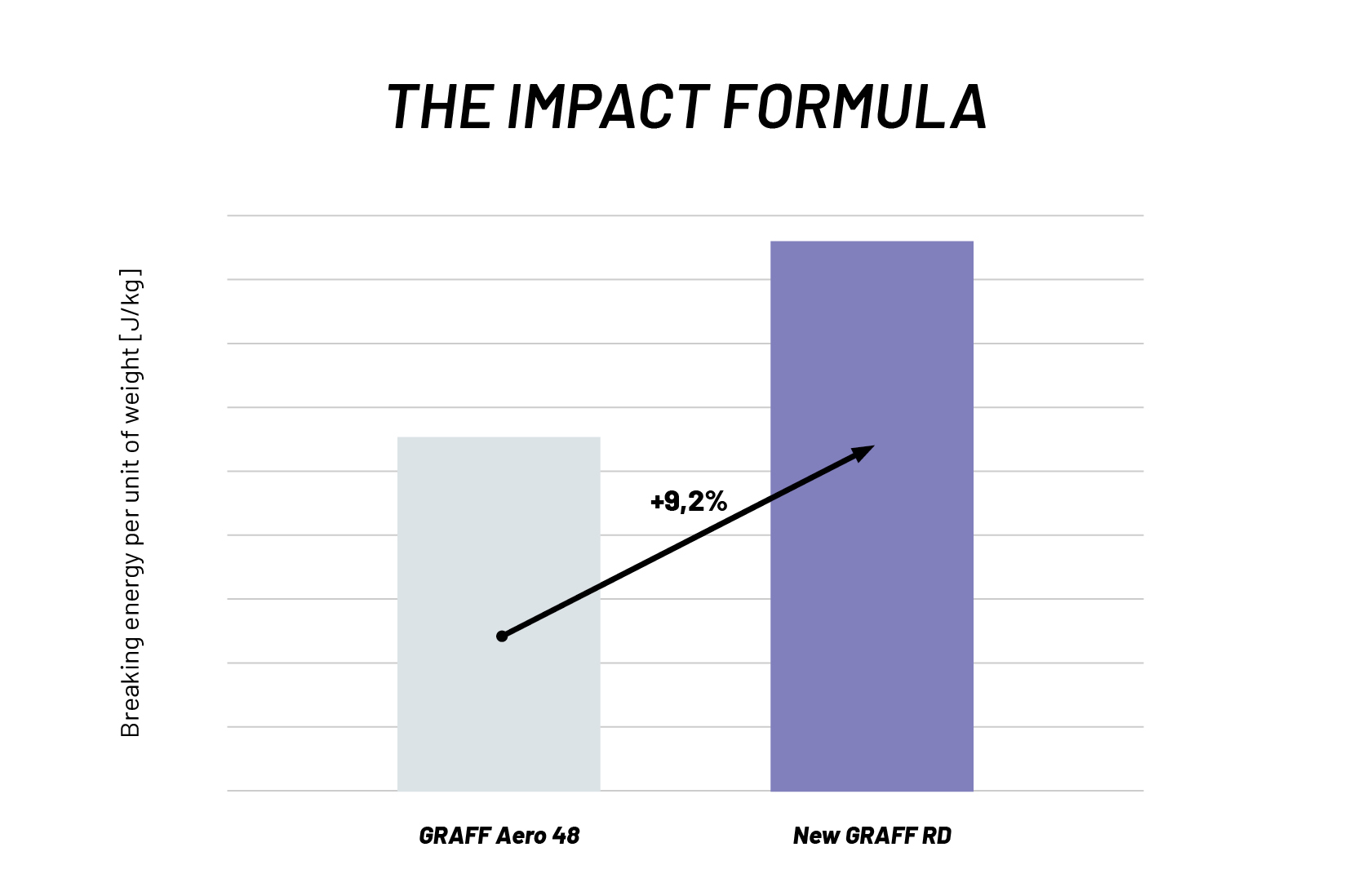
Every Graff RD wheel is subjected to a dedicated impact-resistance test protocol, designed to replicate the real-world stresses of intensive gravel riding. During the test cycle, the wheel is struck at each spoke hole with impacts delivered at progressively increasing drop heights, until the first visible signs of damage appear. The test determines the wheel's impact energy absorption, providing a direct measure of the structure's ability to withstand repeated impacts without yielding.
It builds on the same engineering approach developed for Deva RD, now applied to the far more demanding conditions of gravel riding, where potholes, roots and uneven surfaces put the wheel to the test far more often than on the road.
The Impact Formula is not just about passing a single test. It is a method, repeated wheel by wheel, to ensure that every Graff RD is ready to take the hits.
It builds on the same engineering approach developed for Deva RD, now applied to the far more demanding conditions of gravel riding, where potholes, roots and uneven surfaces put the wheel to the test far more often than on the road.
The Impact Formula is not just about passing a single test. It is a method, repeated wheel by wheel, to ensure that every Graff RD is ready to take the hits.
Technical specifications
- Code WHGRD0B
- ASTM 2
- Hubs AL 7075 T6 CNC
- Spokes Vonoa® Carbon Spokes 4x1 mm Aero Profile
- Nipples AL 7075 T6 / Black
- Weight (g) 1.455 g +/- 3% (Tubeless Ready & Valve included)
- Assembly 24 - 24 / Crossing
- O.L.D. (mm) 100 - 142
- Bearings CeramicSpeed® Alpha
- Transmission RES 30 Rapid Engagement System
- Compatibility SH MicroSpline, Shimano® HG, SRAM® XDR, Campagnolo® N3W
- Max load, bike + user (kg) 108 Kg
- Rim profile (mm) F 52 - R 52
- Braking system Disc Center Lock
- Included accessories Wheels bag / Instruction manual / Brake rotor RD lock ring
- Rim material T700 / T800 Carbon fibre, Matt finish
- Freewheel body AL 7075 T6 + Titanium
- Rim dimension 622X30 TC
- Tyre dimension 47mm ÷ 65mm
- Tyre type Tubeless
- Front axle (mm) 12
- Rear axle (mm) 12
Video
 Race Division
It's the competitive spirit that generates high performance. Starting with the brand new Kleos RD wheels Miche has moved the first steps in a new dimension that combines past know-how with cutting-edge technology of the present. The RD programme components and wheels embody this philosophy. What is our wish? To make it so every cycling aficionado can enjoy the same technical solutions validated and used in competition by our athletes.